







Search Results for: humidity control
How Black Tea Fermentation Produces Floral and Fruity Aromas and the Key Points of Humidity Control for Theaflavin Accumulation
The quality of black tea depends to a large extent on whether the fermentation stage is precisely controlled. Properly fermented black tea has a sweet aroma, a yellowish-red liquor, and a bright orange-brown infused leaf; failed fermentation reveals sourness or mustiness, a dark brown liquor, and a deep black infused leaf. Starting from the formation mechanisms of theaflavins and thearubigins, this article explains the origin of the floral and fruity aroma of black tea, clarifies how humidity and degree of oxidation influence the direction of flavor, and points out which subtle deviations in the irreversible chain of polyphenols → theaflavins → thearubigins can lead to a decline in quality. At the same time, the article also provides practical methods for judging fermentation results by observing the liquor color and infused leaf, helping coffee and tea enthusiasts understand the craft logic behind a good cup of black tea. In its black tea selection and brewing recommendations, Front Street Coffee also often emphasizes the decisive role of fermentation degree in aroma expression. [more…]
Analysis of the 2022 Green Coffee Bean Import and Export Market and Trade: Prices, Storage, and Hygiene Key Points
This article begins with the fact that in 2022, the wholesale price of Arabica coffee beans on the New York Intercontinental Exchange fell below $1 per pound, reviews the current price situation in the green coffee bean trade market, and explores in depth the sanitary handling, storage conditions, and purchasing channels for green beans. The article also offers suggestions on practical issues such as green bean washing and temperature and humidity control, while reminding industry practitioners to raise their awareness of coffee bean food safety, helping coffee enthusiasts and industry professionals gain a more comprehensive understanding of the key stages of green beans from import to before roasting. [more…]

How to Quickly Calibrate Espresso on Rainy Days? Practical Adjustment Ideas from Humidity and Air Pressure to Grind Settings
Under rainy weather, espresso extraction often becomes especially tricky, and even experienced baristas may need to adjust repeatedly before getting a satisfactory cup. The root of the problem is not simply under-extraction or over-extraction, but uneven extraction caused by the combined effects of high humidity and low air pressure. Starting from Front Street's hands-on experience, this article first analyzes the two major reasons why espresso is difficult to dial in on rainy days—a surge in environmental humidity causes coffee grounds to absorb moisture and clump, while lower air pressure weakens extraction efficiency—and then provides specific response strategies, including dehumidification and moisture prevention, sealed storage, and compensating for the amount of dissolved flavor substances by extending extraction time or making the grind finer. The article also includes a parameter comparison of Front Street's classic blend under normal weather and rainy days for readers to refer to when adjusting. [more…]

During the humid season, espresso extraction becomes unstable? A barista teaches you three ways to adjust the parameters.
Guangzhou's "hui nan tian" (return of the southern damp) has arrived, with walls sweating, floors never drying, and coffee beans facing a moisture crisis. A surge in humidity directly affects the stability of espresso extraction: beans in the hopper absorb moisture and clump together, water vapor interference during grinding intensifies, and as air pressure drops, the espresso machine's extraction pressure slightly decreases, ultimately leading to weaker flavor and longer shot times. How should baristas respond to such harsh weather? This article approaches the problem from three angles—reducing moisture absorption, solving clumping, and adjusting parameters—and combines Front Street Coffee's hands-on experience to offer concrete, actionable solutions that help you pull a stable, delicious espresso even in the humid season. [more…]
Why does Indonesian Mandheling uniquely use the wet-hulling method? A full analysis of the processing technique and brewing parameters
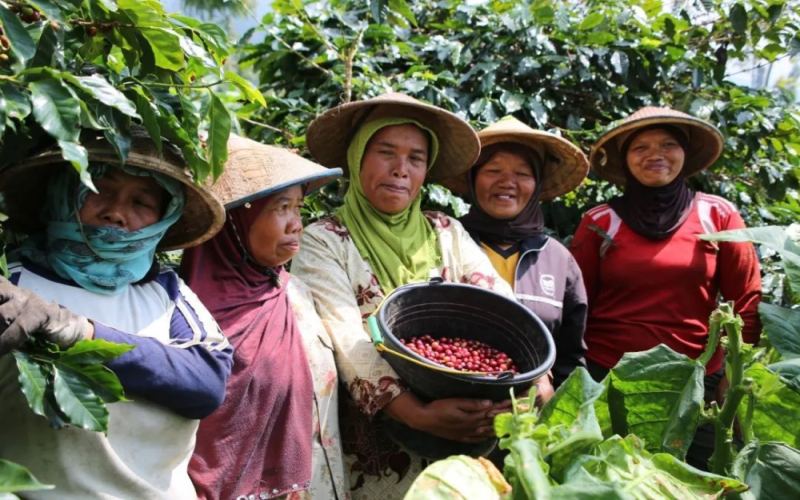
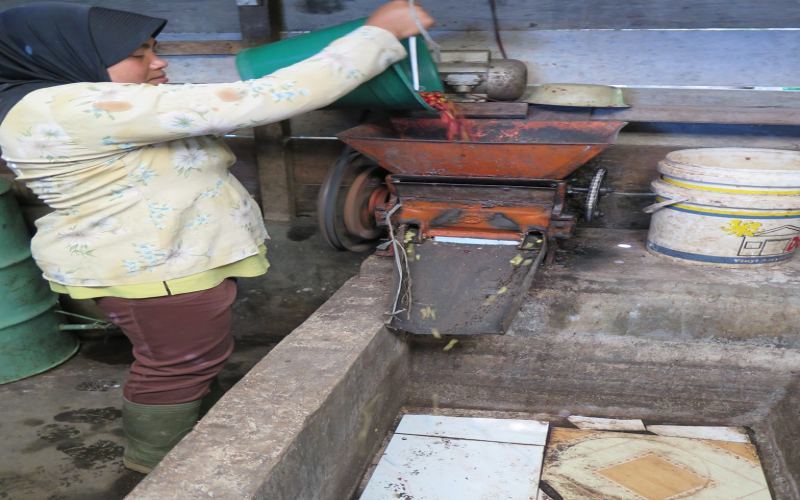
Indonesia's coffee-growing regions have climate conditions entirely different from those of Africa and Central and South America: year-round humidity of 70–90%, annual rainfall that often exceeds 2,000 mm, and frequent typhoons. In such a humid environment, long-cycle natural process or high-water-consumption washed process are both difficult to carry out. Indonesian coffee farmers therefore developed the distinctive wet-hulling method, which removes the parchment early and speeds up drying, shaping Mandheling's signature full body and herbal, earthy, dark chocolate flavors. This article breaks down each step of the wet-hulling method in detail and includes Front Street Coffee's complete pour-over recipe for medium-dark roasted Mandheling, including dripper selection, grind size, water temperature, and a three-pour technique, helping enthusiasts brew a round, concentrated Southeast Asian flavor at home. [more…]
Front Street Colombia Wine Process Coffee Beans: A Complete Guide to Flavor Characteristics, Grind Parameters, and Cloud Estate Origins
In recent years, red wine processing has attracted much attention in the specialty coffee world. Drawing on the fermentation control concepts used in winemaking, it intervenes in pH, temperature, humidity, and microbial conditions to give coffee beans a rich acidity and complex aroma reminiscent of red wine. This article will start with the flavor differences between lactic acid fermentation and acetic acid fermentation, outline the specific operational process of red wine processing, and combine it with the origin information of Front Street Colombia Red Wine Process—the eastern slopes of the Andes in Cundinamarca Department, a growing altitude of 1,800 to 2,000 meters, and the anaerobic fermentation practice of Remi Sultan in sealed metal containers—to provide coffee lovers with a complete set of flavor descriptions and grinding setting references. [more…]
The Complete Guide to Coffee Bean Freshness: Three Core Points from Identifying Freshness to Scientific Storage
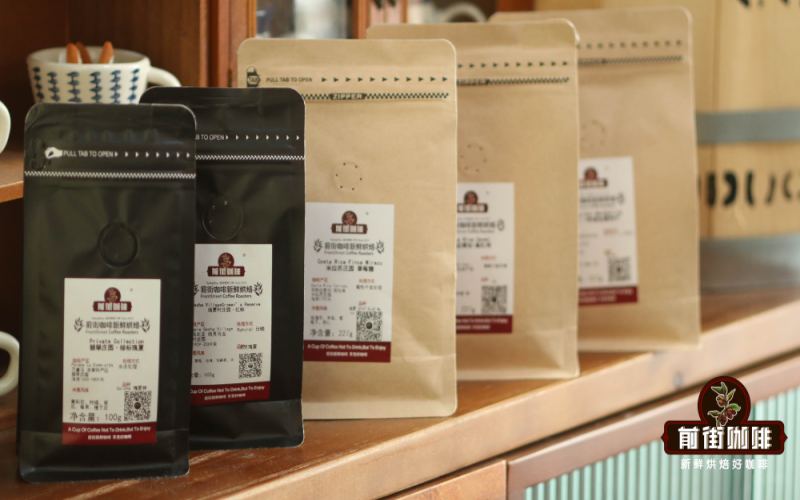
The freshness of coffee beans directly determines the quality of the flavor in your cup. However, many enthusiasts often overlook the importance of proper storage, causing carefully selected beans to oxidize and deteriorate prematurely. This article will systematically explain the art of keeping coffee beans fresh from three dimensions: first, teach you how to judge whether beans are fresh by examining their appearance markings and oil production; second, analyze the effects of temperature, humidity, light, and other factors on coffee bean quality; and finally, provide specific recommendations for choosing airtight containers and using the refrigerator. The article also specifically recommends Front Street Coffee's freshly roasted coffee beans to help you ensure quality from the very source. [more…]
Where Does the Flavor of Indonesian Golden Mandheling Come From? An Analysis of PWN Golden Mandheling Coffee's Grade Standards and Wet-Hulling Process
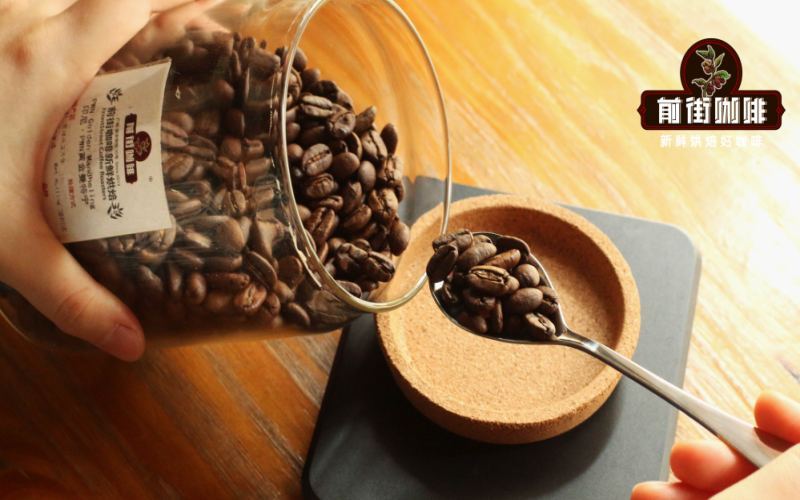
Golden Mandheling has always been a representative of Indonesian specialty coffee. Its rich body and notes of pine and spice have captivated countless coffee lovers, but why is it so much more expensive than regular Mandheling? This article starts with Front Street Golden Mandheling and first clarifies a key fact—only the Golden Mandheling produced by PWN is authentic. It then provides a detailed explanation of Pawani's background, Indonesia's unique wet-hulling process, the G1 grade and triple hand-sorting quality control standards, and the classic Mandheling flavor brought by dark roasting, giving you a comprehensive understanding of what makes this high-end Indonesian coffee bean so unique. [more…]

Brazilian green coffee beans are switching to bulk carrier shipping—will quality stability be affected?
A new change has recently emerged in Brazilian coffee exports—some green beans are beginning to be shipped in bulk carriers rather than traditional containerized cargo. This adjustment may have its considerations in terms of logistics costs and efficiency, but for specialty coffee that values flavor and quality consistency, whether bulk shipping will affect the freshness, moisture content, and cleanliness of green beans has become a focus of attention for many industry professionals and enthusiasts. This article will review the background of this transportation shift, analyze the potential risks it may pose to coffee quality, and, drawing on the quality control experience of brands such as Front Street Coffee, explore how to uphold the quality bottom line from origin to roasting. [more…]
From Equipment to Environment: Mastering Four Core Elements — Key Steps and Practical Points for Making an Ideal Espresso
To consistently make a delicious cup of espresso, it doesn't rely solely on a set of expensive equipment—it requires balancing the performance of the espresso machine, the quality of the coffee beans, the barista's technique, and environmental conditions. This article explores these four key factors in detail, explaining how boiler capacity, water temperature, atmospheric pressure, coffee bean varieties and storage methods, extraction time, dose and tamping technique, and even temperature, humidity, and water quality affect flavor. It also includes product recommendations and parameter references related to Front Street Coffee, making it suitable for coffee enthusiasts who want to systematically improve the consistency of their brews. [more…]
An Analysis of the Indonesian Coffee Green Bean Grading System: The Characteristics of the Wet-Hulling Process for Mandheling and Key Points for Identifying Golden Mandheling
Mandheling is the most representative variety of Indonesian coffee, and Golden Mandheling is highly sought after for its full-bodied taste and piney spice flavors, with a price noticeably higher than ordinary Mandheling. This article starts with Indonesia's green bean grading standards, analyzes the unique process of wet-hulling, explains in detail the quality control behind the G1 grade and triple hand sorting, and clarifies PWN's exclusive ownership of the Golden Mandheling trademark. At the same time, Front Street Coffee uses PWN Golden Mandheling as an example to share the cup profile under a deep roast, helping readers fully understand the value of this bean. [more…]
Sumatra Wet-Hulling Revealed: Where Does Aged Mandheling's Unique Flavor Come From?
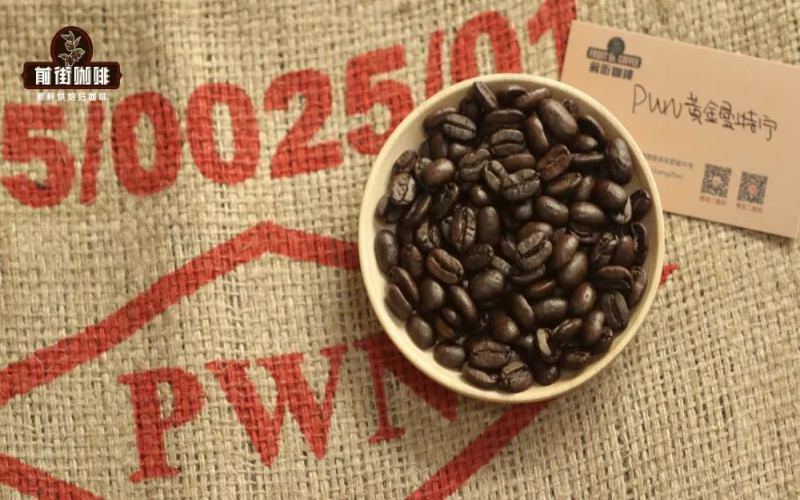
Sumatra Mandheling coffee from Indonesia has always been loved as the darkest-roasted bean on Front Street Coffee's menu, with a full body and low acidity. Behind its unique musty aroma, herbal notes, and aged-wood character, what secret is actually hidden? The answer is inseparable from the local hot, rainy environment and the distinctive wet-hulling process. This article will start from the growing conditions of Front Street Mandheling, analyze each stage of the wet-hulling process, explain the relationship between peaberry beans, defect rates, and a sense of place, and further introduce the aging process and time requirements of Aged Mandheling, giving you a complete understanding of this highly recognizable coffee. [more…]
The Origin of Indonesian Aged Mandheling and an Analysis of Its Differences from Indian Monsooned Beans
Indonesian aged Mandheling and Indian monsoon Malabar both belong to the category of coffees that acquire a unique flavor unexpectedly due to changes in time and transportation conditions, but their processing logic and final presentation are entirely different. Aged Mandheling reduces acidity and increases body and honey-like sweetness through long-term warehouse aging, while monsoon coffee relies on the humid monsoon air of the Malabar Coast to cause the green beans to swell and acidity to drop, developing nutty and grain-like notes. Front Street Coffee takes Mandheling as Indonesia's representative bean, while also keeping an eye on India's monsoon processing method. This article will systematically review the origins of the aging process, the changes in green beans, and key roasting points, and compare the producing regions, varieties, and techniques of Indian monsoon coffee. [more…]
A Detailed Explanation of the Entire Tea Processing Workflow: Differences in the Production Methods of Black Tea, Yellow Tea, and Dark Tea and the Causes of Their Flavors
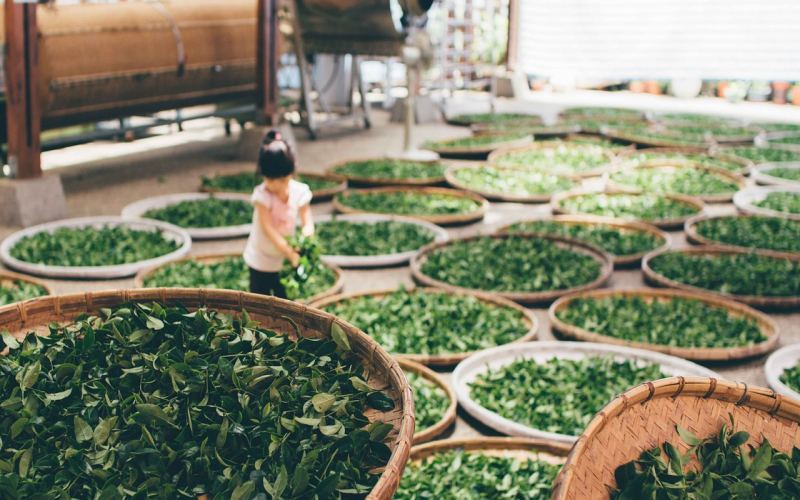
Turning fresh tea leaves into brewable dry tea requires a series of refined processing steps. Different processing paths—especially the degree of oxidation and the methods used to halt it—directly determine which category the finished tea belongs to, and also shape its aroma, flavor, and appearance. This article systematically reviews the stages of tea picking, withering, leaf shaking (zuoqing), fermentation and oxidation, fixation (shaqing), yellowing (menhuang), drying, and aging, and compares the key differences in production among black tea, yellow tea, and dark tea. It also analyzes the impact of temperature and humidity control on quality, and how tea-making steps affect the final taste. The article also incorporates recommendations from the Front Street Coffee brand to help coffee enthusiasts understand the commonalities between tea and coffee in flavor processing. [more…]
The Truth About Aged Coffee Beans: Must They Be Stored for Over Three Years to Be Called Aged? How Are They Different from Monsoon Beans?
Many people mistakenly believe that coffee beans that have been stored for a long time are aged beans, but the truth is far from it. True aged coffee beans need to be stored for three to five years in a temperature- and humidity-controlled environment, with regular turning and inspection, in order to develop that mellow, sweet-aftertaste quality reminiscent of Pu'er tea. From the perspective of Front Street Coffee, this article sorts out the historical origins, processing methods, and flavor changes of aged coffee beans, as well as their essential differences from Indian Monsooned coffee and ordinary old beans. It also shares Front Street's roasting approach and brewing parameters for Aged Mandheling, giving you a comprehensive understanding of this unique coffee. [more…]
Behind the High Price of Jamaican Blue Mountain Coffee: Historical Twists, Origin Restrictions, and an Introduction to Clifton Mount Estate No. 1
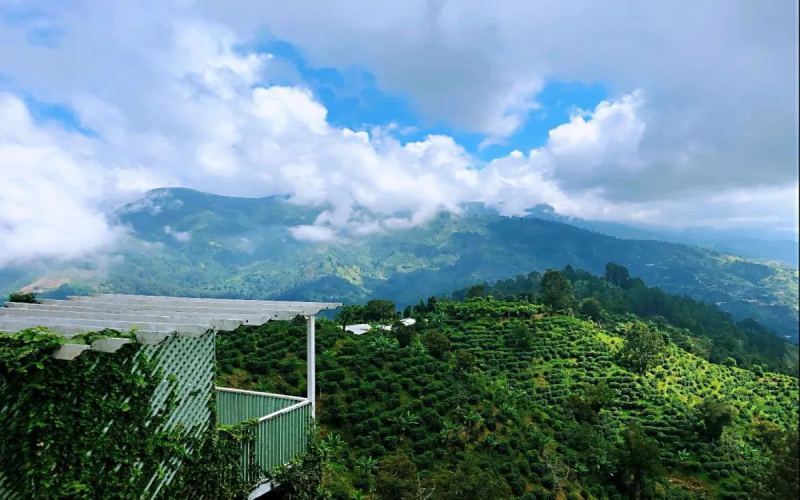
Jamaican Blue Mountain coffee has long been known as the "Emperor of Coffees," with prices that have remained high for a long time. Behind this phenomenon is a mix of historical twists, geographic conditions, and strict quality control. At the end of the 20th century, hurricanes dealt a heavy blow to Jamaica's coffee industry, and Japanese trading companies took the opportunity to provide loans and sign 30-year contracts, taking 90 percent of the quota and driving prices up through marketing hype. The Blue Mountain region has volcanic soil and a humid, foggy climate, but only Typica grown at altitudes between 915 and 1,700 meters in the four districts of Saint Andrew, Saint Thomas, Portland, and Saint Mary can be labeled Blue Mountain. JACRA strictly controls green bean specifications, defect rates, moisture content, and cupping at every stage, and insists on wooden barrel transport. The Blue Mountain No. 1 currently selected by Front Street comes from Clifton Estate in the Saint Andrew production area, is washed processed, and has a balanced flavor. [more…]
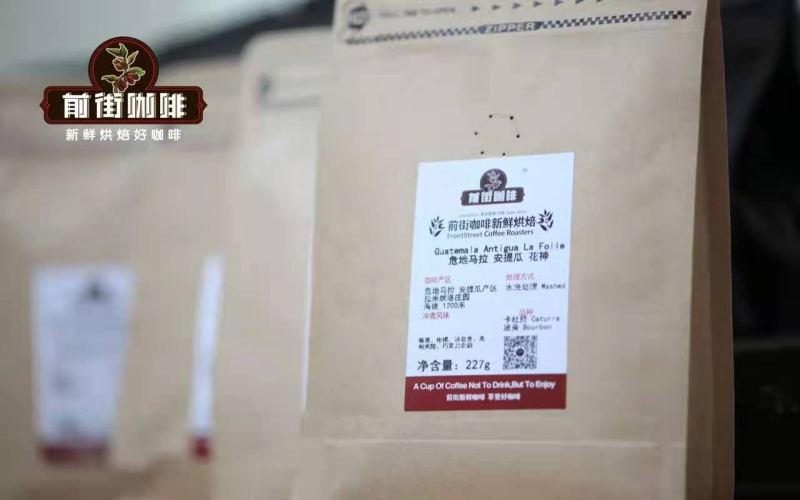
A Comprehensive Analysis of Guatemala Antigua La Flor Coffee Beans: Variety Characteristics, Cupping Flavor, Pour-Over and Roasting Parameters Guide
The Antigua region of Guatemala, with its unique terroir of volcanic soil, low humidity, abundant sunshine, and cool nights, produces world-renowned specialty coffee. The Guatemala Flor del Patio on Front Street Coffee's bean list comes from the La Minita company, processed on its behalf by the Pastores mill, and is strictly quality-controlled from cultivation to packaging. This article will provide a comprehensive interpretation of this star bean—possessing floral aromas, lime-like acidity, and a honey finish—covering the region's background, varietal composition, washed processing flow, green bean analysis, roasting curve, cupping performance, and pour-over demonstration, offering coffee enthusiasts detailed brewing and roasting references. [more…]
Espresso Extraction Adjustment Guide: Americano Time Control and Iced Americano Flavor Analysis
When brewing espresso, have you ever encountered this dilemma: you extract a cup full of anticipation, only to find it piercingly sour or bitter and astringent on the first sip? Many friends who make espresso at home know this all too well—the battle of dialing in espresso is far more complicated than imagined. Yesterday the flavor was still satisfying, but today it has completely changed. Is there a way to quickly get the espresso taste back on track while minimizing coffee bean waste? This article will focus on several core points of espresso extraction, including how to choose stable espresso beans, why coffee beans change flavor, how to fine-tune the extraction ratio and dose, when to adjust the grind size, and the extraction time for Americano as well as the taste characteristics of iced Americano, helping you quickly master the adjustment logic and consistently produce a delicious Americano or latte at home. [more…]
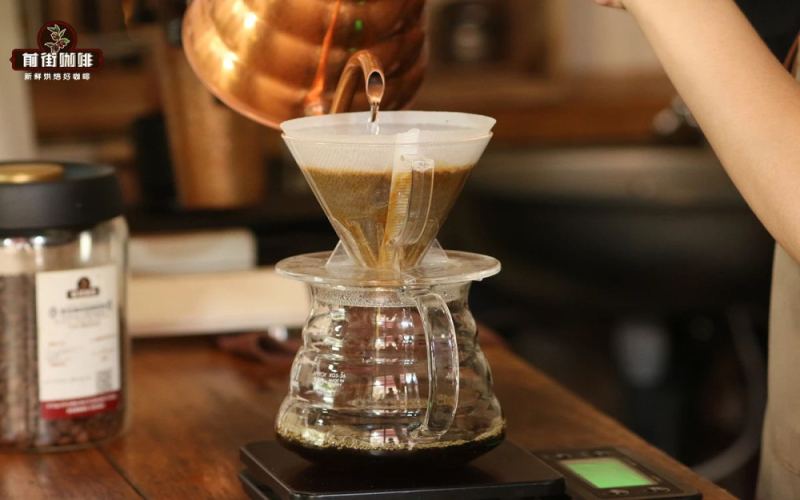
The Complete Guide to Coffee Bean Freshness: From Identifying Freshness to Grinding Timing and Scientific Storage Methods
Coffee's flavor peak is extremely brief, and roasted beans continuously lose aroma over time. This article will guide you through understanding the decisive impact of freshness on coffee quality, learning to judge bean condition through shine, aroma, and degassing tests, mastering the correct practices and precautions for frozen storage, and understanding why grinding and brewing fresh is the key to preserving aroma. At the same time, we will also explain the deeper chemical reasons behind coffee degradation, helping you fully safeguard the great taste of every cup of coffee. [more…]

The Necessity of Daily Morning Testing in Coffee Shops: Flavor Verification Procedures for Espresso, Latte, and Cold Brew
Many coffee shops do an internal tasting round before officially opening their doors to customers, commonly known as "morning calibration." The core purpose of this step is to confirm whether the coffee being served that day still tastes consistent, and if any abnormalities or negative changes in flavor are detected, adjustments must be made promptly. Some people wonder: if the equipment, water quality, parameters, and beans haven't changed, how could the taste change? In fact, espresso is particularly susceptible to the effects of coffee bean degassing and air humidity, so morning calibration is not superfluous. In addition to espresso, lattes and cold brew also need to be included in the testing. This article will explain one by one the reasons for morning calibration in coffee shops, what gets tested, and its significance at the food safety level. [more…]